


Digging Deeper into Phosphorus: Guizhou Phosphate Chemical Group Expands New Space for the New Energy Material Industrial Chain
On November 13, China’s NDRC and NEA released the 15th Five-Year Plan Implementation Plan for New Energy Storage. The goal is to reach 300 GW of new energy storage nationwide by 2030 and upgrade lithium-ion battery energy storage. The booming new energy industry calls for stable raw materials, higher material purity, better performance and stronger industrial chain coordination — bringing new opportunities to phosphate chemicals.
Phosphorus is essential for lithium iron phosphate, a core cathode material for lithium-ion batteries. Guizhou Phosphate Chemical Group is turning phosphate ore into high-value battery materials, starting with high-quality phosphoric acid.
Iron Phosphate
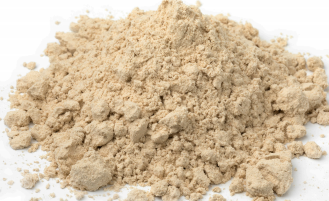
Wet-process purified phosphoric acid is a key feedstock for new energy materials. Previously, phosphorus was mostly used for phosphate fertilizers. Thanks to purification technology breakthroughs, phosphoric acid can now meet high-purity requirements. Our fifth-generation wet purification technology delivers an annual capacity of 2.7 million tonnes of purified phosphoric acid, reliably supplying fine chemical and new energy material producers.
We keep stretching our industrial chain downstream. Our new energy portfolio covers battery-grade monoammonium phosphate, iron phosphate and lithium iron phosphate.
Lithium Iron Phosphate
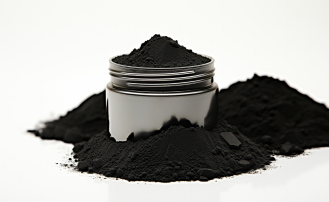
Supported by innovation platforms and industry-university-research cooperation, we advance efficient use of phosphorus and fluorine resources and turn R&D results into mass production.
Lithium Hexafluorophosphate

We also develop electrolyte materials. Lithium hexafluorophosphate is critical for battery electrolytes; its purity controls electrolyte performance. Our lithium hexafluorophosphate has stable main content. From phosphorus cathodes to fluorine electrolytes, we achieve stronger phosphorus-fluorine industrial synergy.
Moreover, we develop battery recycling. Retired power batteries contain lithium, phosphorus, iron and other valuable metals. We have built full-element recycling lines in Guizhou to dismantle, crush, sort and hydrometallurgically process spent batteries. Recycled materials feed back into our phosphate and new energy production, forming a circular economy.
We will capitalize on phosphorus and fluorine resources, coordinate phosphate chemicals and new energy materials, scale up high-value products, and advance high-quality phosphorus utilization to support national new energy strategy and Guizhou’s new energy industrial cluster.


